

round mirror with lights
The Plain vs. Block Debate Perspectives on Design and Functionality In the world of architecture and design, debates often arise regarding the choice of forms, materials, and styles. One such ongoing discussion is the contrast between plain designs and block designs. This thematic exploration investigates the aesthetics, functionality, and cultural implications of these two diverse approaches, providing insight into why designers may favor one over the other. The Plain vs . Block Debate Perspectives on Design and Functionality Conversely, block design typically features bold shapes and pronounced volumes. This style thrives on robustness and geometric forms. Block structures can create a sense of presence and authority, often being utilized in commercial buildings, public spaces, and modern homes. The use of concrete, steel, and glass enhances the feeling of strength and permanence. Many architects, like Louis Kahn and Le Corbusier, have embraced block design to craft monumental structures that serve as both functional spaces and works of art. Block design can evoke a sense of modernity, innovation, and even playfulness when creatively employed. plain v block The choice between plain and block designs can significantly impact the functionality of a space. Plain designs may be more adaptable, allowing for easier integration of various furnishings and decor styles. They provide a versatile backdrop that can easily be modified as needs change. In contrast, block designs often impose a specific character on a space, making it more distinctive and memorable. This can be advantageous in creating landmark buildings that define a city’s skyline or cultural identity. Furthermore, cultural context plays a pivotal role in determining the preference for plain versus block designs. In some regions, plain designs may reflect a desire for harmony with nature and sustainability, aligning with local values and traditions. Simplicity can symbolize a return to fundamental human experiences, promoting a sense of belonging and peace. On the other hand, block designs might resonate with urban populations that seek to express progress, innovation, and individuality in rapidly evolving environments. However, the debate between plain and block design is not merely about aesthetic preference. It often reflects broader societal trends and values. For example, during periods of economic prosperity, block designs may become more popular as people celebrate wealth and status through imposing architectural statements. Conversely, during times of economic uncertainty, plain designs might gain favor as communities seek comfort and stability through simplicity. In conclusion, the conversation surrounding plain versus block design encapsulates much more than personal style preference; it reveals deeper insights into cultural values, societal trends, and the psychological impacts of architecture. Each design philosophy carries its unique strengths and weaknesses, and the ultimate choice often depends on specific contextual needs. As designers continue to push boundaries and explore hybrid forms, the interplay between plain and block will remain a central theme in the evolution of architecture and design, continually shaping our built environment. The richness of this debate invites not only architects but also the public to engage in understanding and appreciating the spaces we inhabit.
about
round mirror with lights
Understanding the Cost of 250mm Butterfly Valves Factors Influencing Price and Value When it comes to selecting the right valve for an industrial or commercial application, the butterfly valve stands out as a popular choice due to its reliability, efficiency, and affordability. Specifically, the 250mm butterfly valve is a commonly used size across various sectors, including water treatment, chemical processing, and HVAC applications. Understanding the pricing of these valves is essential for making informed procurement decisions. In this article, we will explore the various factors that influence the price of 250mm butterfly valves, helping buyers to gauge the market more effectively. 1. Material Composition The material from which the valve is made plays a significant role in its pricing. Common materials for butterfly valves include cast iron, stainless steel, and PVC. For instance, a butterfly valve constructed from stainless steel will generally be more expensive than a cast iron variant due to the enhanced corrosion resistance and durability provided by stainless steel. Buyers must balance upfront costs with long-term performance, considering the operating environment’s specific demands. 2. Type of Valve There are several types of butterfly valves, including wafer, lug, and flange types. Wafer butterfly valves are typically the most economical, making them a popular choice for many applications. Conversely, lug and flange types offer additional benefits such as easier maintenance and installation but usually come at a higher price. The specific type needed will greatly impact the overall cost of the valve. 3. Features and Specifications The features and specifications of a 250mm butterfly valve can also significantly affect its price. Valves with additional functionalities, such as electric or pneumatic actuators, position indicators, or more sophisticated sealing mechanisms, will generally be more expensive than standard models. Additionally, the pressure rating, temperature tolerance, and flow characteristics are critical factors that influence the final cost. It is vital for buyers to assess their specific requirements and determine which features are essential for their operations. 250mm butterfly valve price 4. Brand Reputation Brand reputation can greatly impact the price of butterfly valves in the market. Established manufacturers that are known for their quality and reliability may price their products higher due to brand trust and warranties offered. Conversely, lesser-known brands may offer lower prices but could potentially compromise on quality. It’s advisable for buyers to conduct thorough research and consider reviews and recommendations before making a selection. 5. Market Conditions Like many industrial products, the price of 250mm butterfly valves can be affected by market dynamics, including supply chain factors, raw material costs, and economic conditions. Fluctuations in the prices of raw materials such as metals or plastics can lead to price adjustments in finished products. Additionally, global events that disrupt supply chains or increase production costs can have a cascading effect on valve prices. 6. Purchase Volume Finally, the volume of valves being purchased can also influence their pricing. Many suppliers offer bulk discounts, making larger orders more cost-effective per unit. For organizations needing multiple valves for a project, negotiating pricing based on volume can lead to significant savings. Conclusion In summary, the price of 250mm butterfly valves is influenced by a multitude of factors, including material composition, valve type, features, brand reputation, market conditions, and purchase volume. By understanding these elements, buyers can make well-informed decisions that not only align with their budget but also meet their operational needs. Ultimately, investing in the right valve is crucial for ensuring long-term functionality and efficiency in any system. Therefore, careful consideration of the aforementioned factors is essential in making a wise purchase that balances cost and value.
-

High quality industrial productsagement

High quality industrial products
View Details -

Meet the diverse needs of customers

Meet the diverse needs of customers
View Details -

Strict quality control

Strict quality control
View Details -

Top raw materials

Top raw materials
View Details -

Trusted supplier

Trusted supplier
View Details
Our application
news and information
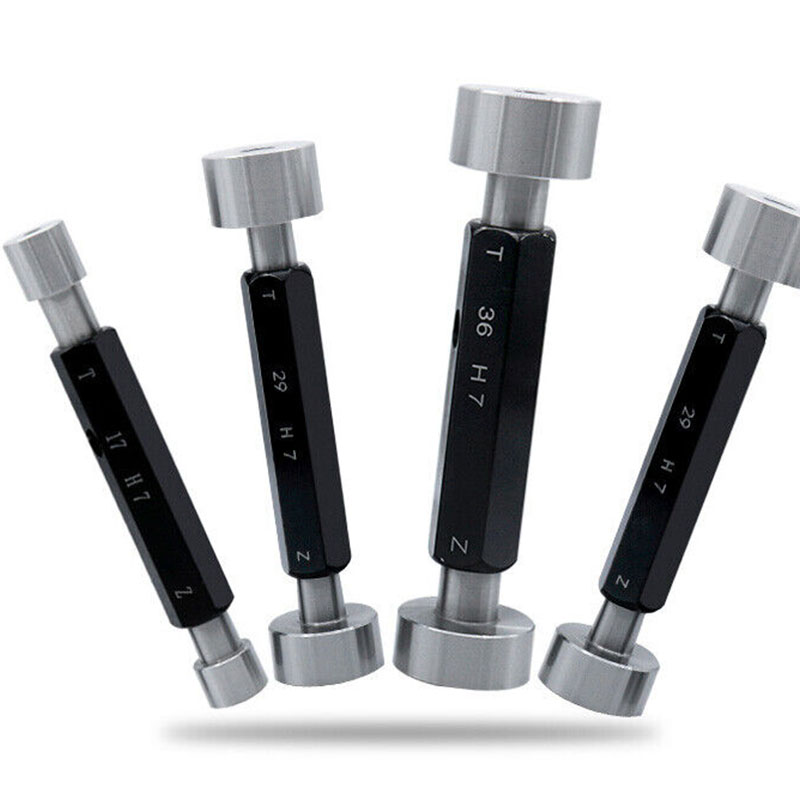
Valve Manufacturing Techniques for Enhanced Efficiency and Quality Control
valve factory .
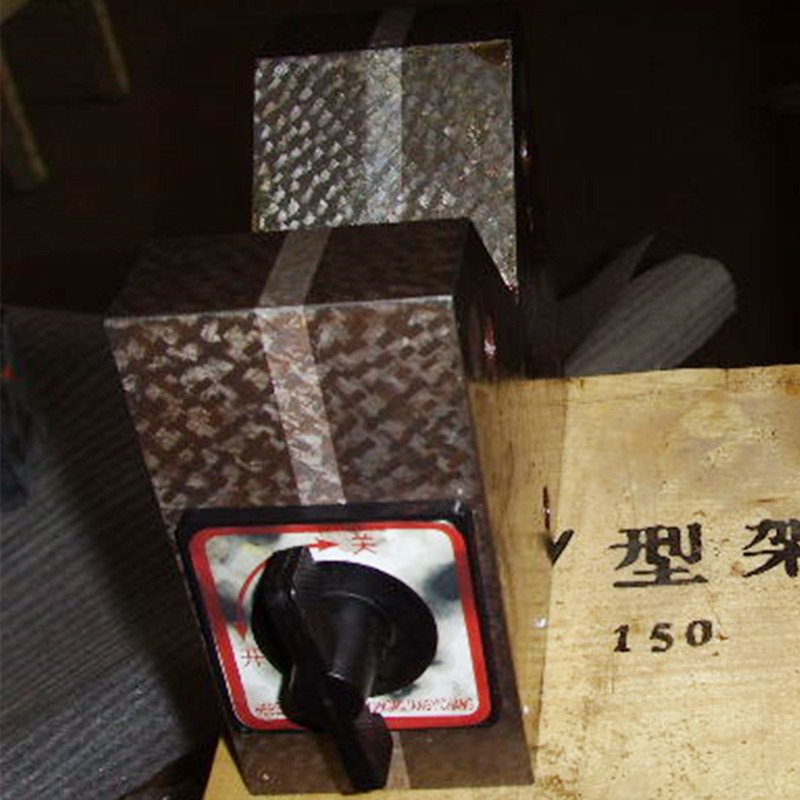
v guide rail
Understanding the Importance of Guide Rails A Comprehensive Overview Guide rails, often overlooked i

Valve for Sale Top Quality Guaranteed
Discover the perfect valve for your specific needs with our comprehensive guide to valves for sale.
 English